

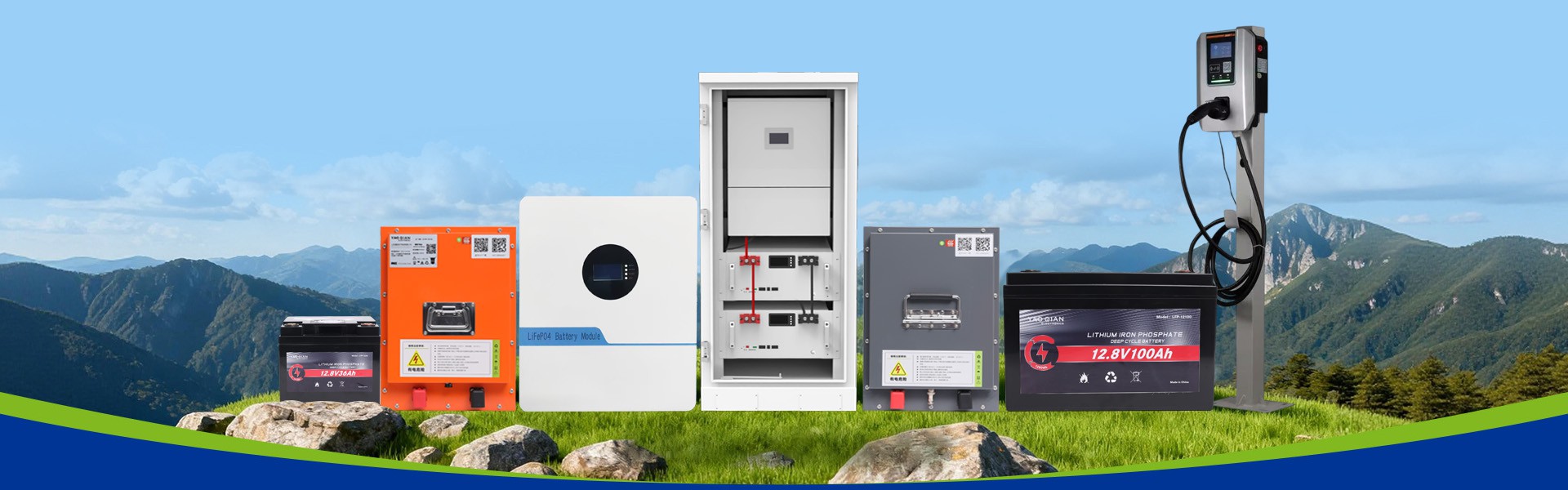
Electric vehicle charging stations, as essential supporting facilities for electric vehicles, come in various types to meet different charging needs in different scenarios. They are mainly divided into four categories: AC charging stations, DC charging stations, wireless charging stations, and battery swapping stations (a form of "charging station").
AC charging stations, also known as slow charging stations, directly supply AC power from the power grid to the electric vehicle's onboard charger. The onboard charger then converts the AC power to DC power to charge the battery. Their power is generally between 3-7kW. Although the charging speed is slow, the installation cost is low, and the requirements on the power grid are not high, making them very suitable for use in homes, residential areas, office buildings, and other locations. Users can take advantage of off-peak electricity prices at night for charging, which is both economical and convenient.
DC charging stations, or fast charging stations, perform the AC to DC conversion within the charging station itself, directly charging the electric vehicle's battery. They have high power, generally above 30kW, and can even reach hundreds of kilowatts, allowing for rapid replenishment of electric vehicle power in a short time, significantly reducing charging time. Therefore, they are usually installed in highway service areas, public charging stations, and other locations to meet the fast charging needs of users on long-distance journeys. However, the installation cost of DC charging stations and their requirements on the power grid are higher.
Wireless charging stations utilize the principle of electromagnetic induction, achieving wireless transmission of electrical energy through magnetic field coupling between the transmitting coil and the receiving coil. Users only need to park their electric vehicles in the designated charging area to start charging without plugging in charging cables, making them convenient to use. However, currently, wireless charging station technology is still immature, with low charging efficiency and high costs, and has not yet been widely adopted.
In addition, there are battery swapping stations, a form of "charging station," which achieve rapid "charging" by replacing the electric vehicle's battery. This method allows electric vehicles to regain a full charge in a very short time, but it requires the construction of specialized battery replacement facilities and a large reserve of batteries, resulting in higher operating costs.