

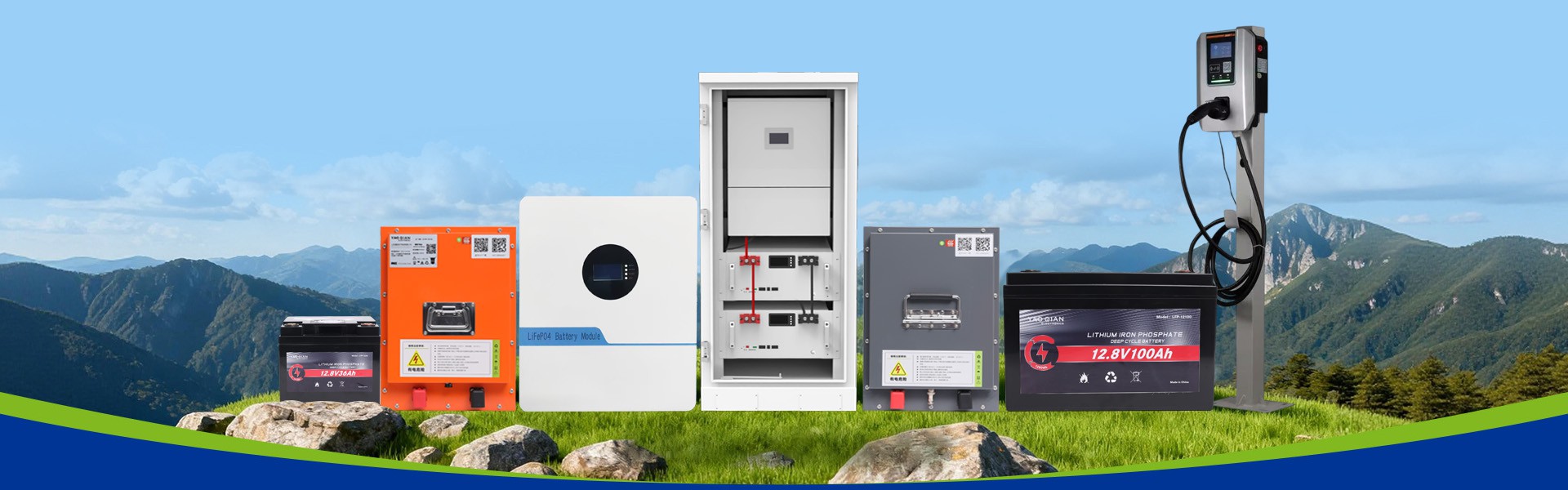
Lead-acid Alternative Battery
Industrial LiFePO4 Lead-Acid Alternative Batteries | Drop-In Replacement Solutions
Traditional lead-acid batteries introduce heavy maintenance burdens, short operational lifespans, and severe voltage sag under high-current loads. Industrial operations face constant downtime due to water replenishment requirements, acid corrosion, and long charging windows.
This product category covers prismatic LiFePO4 battery modules engineered to match the exact physical dimensions and terminal configurations of standard BCI and DIN lead-acid form factors. Built with automotive-grade lithium iron phosphate cells and integrated hardware-level Battery Management Systems (BMS), these units drop directly into existing battery compartments of industrial machinery, material handling fleets, and energy storage systems. Operators eliminate daily maintenance labor while gaining 3,000 to 6,000 operational cycles, flat discharge voltage curves under heavy load, and a 60 percent reduction in total battery weight.


Product Range
|
Nominal Voltage |
Capacity Range |
Primary Form Factor |
Target Application |
|
12V / 24V |
50Ah - 300Ah |
BCI Group 24, 27, 31, 4D, 8D |
Marine auxiliary, utility vehicles, backup power |
|
24V / 36V / 48V |
210Ah - 650Ah |
Steel-cased DIN / BCI Forklift sizes |
Warehouse forklifts, reach trucks, pallet jacks |
|
24V / 48V |
40Ah - 200Ah |
Custom modular steel chassis |
Automated Guided Vehicles (AGVs), mobile robots |
|
48V / 51.2V |
100Ah - 200Ah |
19-inch rack-mount / wall-mount |
Commercial solar storage, telecom base stations |
Key Performance & Design Features
Direct Drop-In Mechanical Compatibility: Form factors match standard BCI and DIN metal tray dimensions, allowing direct replacement without structural chassis modifications or weight-ballast adjustments.
Prismatic LiFePO4 Cell Architecture: Utilizes aluminum-shelled lithium iron phosphate cells rated for high thermal stability, preventing oxygen release and thermal runaway under puncture or overcharge conditions.
Integrated Multi-Level BMS: Hardware protection monitors individual cell voltages, pack temperature via 4 independent NTC sensors, short-circuit currents, and state-of-charge (SOC) with active balancing currents up to 100mA.
Industrial Communication Interfaces: Embedded CAN 2.0B and RS485 communication protocols transmit real-time telemetry (voltage, current, temperature, fault codes) to external controllers, inverters, or fleet management systems.
High Discharge Current Capability: Continuous discharge ratings up to 1C and peak discharge ratings up to 3C for 30 seconds, supporting high-torque motor startup without voltage drop below critical thresholds.
Cold-Temperature Charging Protection: Integrated low-temperature cutoff circuitry prevents lithium plating by halting charge operations when internal cell temperatures drop below 0 degrees Celsius.
Applications
The company conducted a competitive advantage analysis to identify its strengths and weaknesses compared to its rivals.
Material Handling Equipment:
Electric forklifts, narrow-aisle reach trucks, industrial pallet jacks, and order pickers requiring multi-shift opportunity charging.
01
Industrial Cleaning Machinery:
Walk-behind and ride-on floor scrubbers, industrial sweepers, and automated surface maintenance units.
02
Autonomous Logistics:
Automated Guided Vehicles (AGVs) and Autonomous Mobile Robots (AMRs) operating continuous 24/7 duty cycles.
03
Commercial Marine & RV:
Trolling motors, house bank power systems, bow thrusters, and auxiliary power units on commercial workboats.
04
Renewable Energy Storage:
Off-grid commercial solar arrays, remote telecommunication shelters, and peak-shaving industrial microgrids.
05
Manufacturing & Quality Control
Cell Sorting & Matching: Incoming prismatic cells undergo automated sorting based on internal AC impedance and capacity deviation to eliminate internal voltage imbalances during high-rate cycling.
Laser Welding Interconnects: Busbars and cell terminals are joined using automated fiber laser welding systems, ensuring consistent weld depth, low contact resistance, and vibration-resistant mechanical bonds.
Module Compression Fixturing: Steel modules undergo calibrated pneumatic compression during assembly to counteract natural cell breathing, maximizing thermal dissipation and cycle longevity.
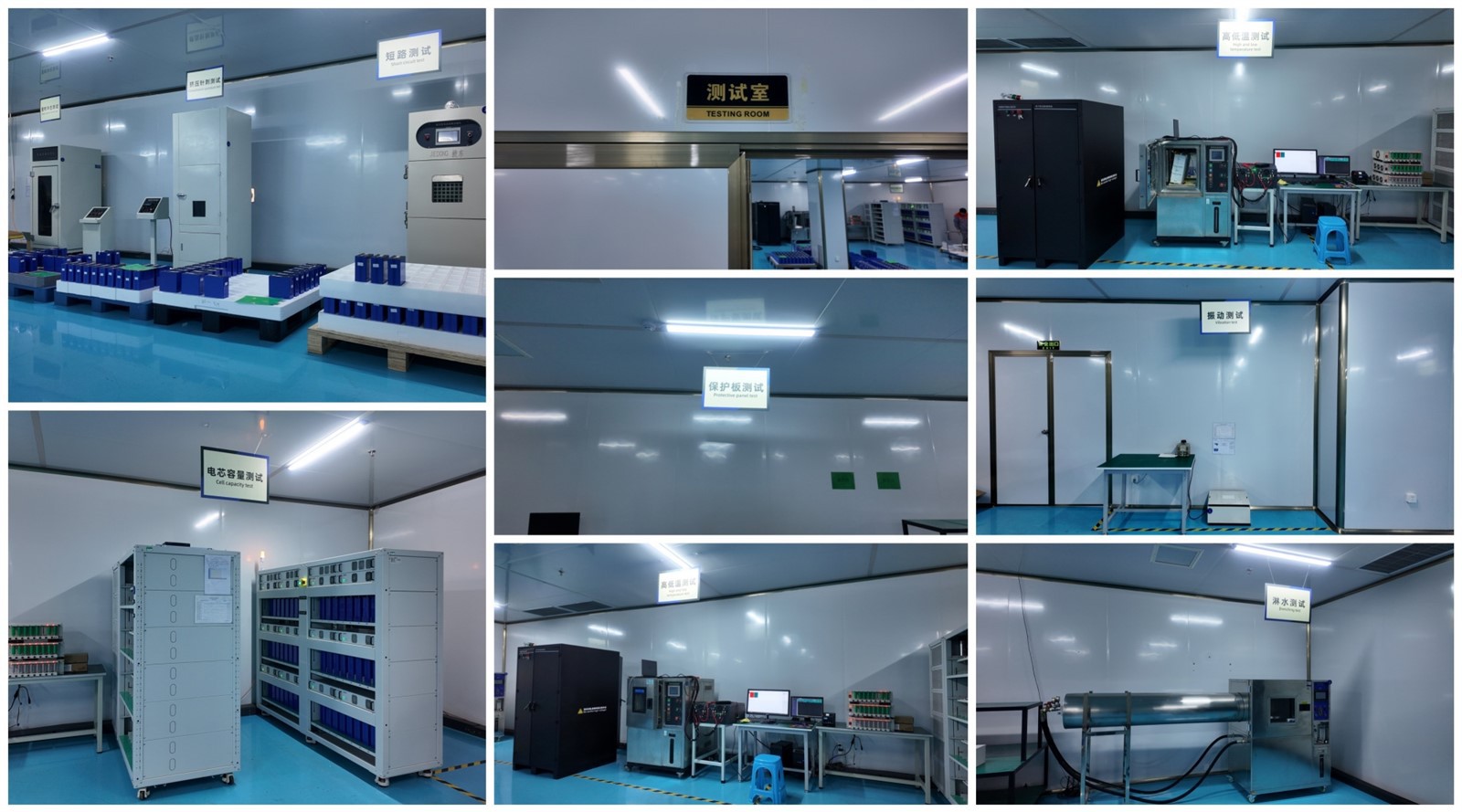
Rigorous End-of-Line (EOL) Testing: Every battery pack undergoes automated testing protocols:
100 percent full-load charge and discharge cycle testing at rated amperage.
High-pot dielectric withstand testing (2500VDC isolation between terminals and metal housing).
BMS communication validation and functional trip testing for over-voltage, under-voltage, and short-circuit protection.
Compliance Standards: Manufactured under ISO 9001 certified quality management systems. Product lines carry UN38.3 transport certification, UL1973 safety listings for stationary/motive power, and CE directives.
Customization / OEM & ODM
Mechanical Customization:
Tailored steel enclosure dimensions, specialized terminal post locations, heavy-duty lifting lug configurations, and custom color powder coating matching specific brand requirements.
Electrical Configuration:
Custom voltage steps (from 12V to 800V high-voltage systems), specific ampere-hour capacities, and customized discharge cut-off parameters.

BMS Protocol Integration:
Custom CANopen, J1939, or Modbus communication protocol mapping to ensure seamless handshake with third-party motor controllers, chargers, or vehicle telemetry units.
Heating Film Integration:
Built-in low-temperature self-heating polyimide films powered by external sources, enabling full-capacity discharge and charge down to -30 degrees Celsius.
Factory Testing Room
FAQ
We're well-known as one of the leading lead-acid alternative battery manufacturers and suppliers in China, featured by quality products and good price. Please rest assured to buy customized lead-acid alternative battery made in China here from our factory.