

Lead-Acid Battery
Industrial Lead-Acid Batteries & Energy Storage Solutions
Industrial lead-acid batteries provide dependable, cost-efficient DC power delivery for stationary backup and deep-cycle off-grid applications. Operating on proven electrochemistry—lead dioxide positive plates, spongy lead negative plates, and dilute sulfuric acid electrolyte—these systems maintain high reliability under demanding thermal and electrical loads.
Modern industrial deployments require stable floating performance and predictable discharge curves. Our production lines manufacture Valve-Regulated Lead-Acid (VRLA), Absorbed Glass Mat (AGM), Gel, and Flooded tubular architectures. Each battery is engineered to minimize internal resistance, suppress grid corrosion, and deliver consistent ampere-hour (Ah) capacity throughout its designated operational lifespan.


Product Range & Technical Specifications
|
Series / Type |
Nominal Voltage |
Capacity Range (Ah) |
Primary Target Application |
Key Construction Characteristic |
|
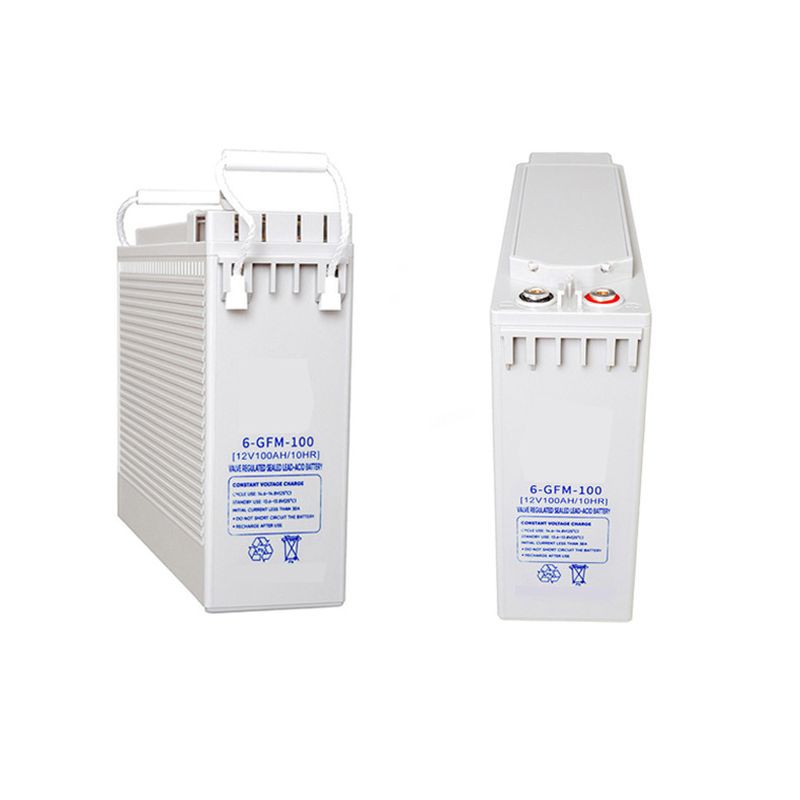
AGM Stationary Series |
12V / 6V / 2V |
7Ah - 3000Ah |
UPS Systems, Telecom Backup, Security |
Absorptive glass mat separators; gas recombination efficiency >99% |
|
GEL Deep Cycle Series |
12V / 2V |
33Ah - 3000Ah |
Solar ESS, Wind Power, Marine, RV |
Fumed silica electrolyte immobilization; enhanced thermal dissipation |
|
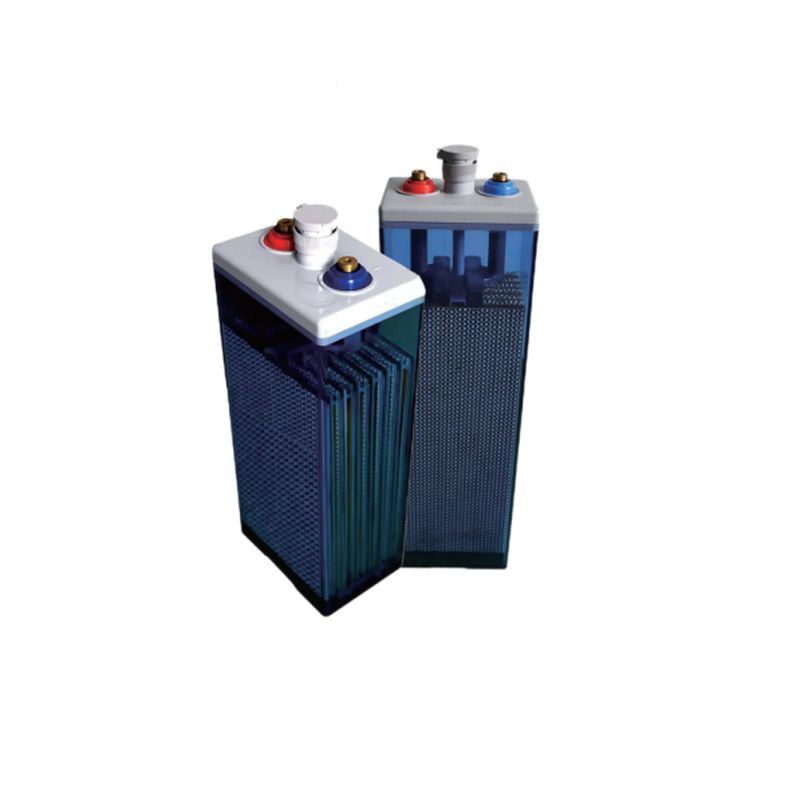
Tubular Flooded (OPzS) |
2V cells |
200Ah - 3500Ah |
Substation Power, Heavy Industrial DC, Rail |
Die-cast tubular positive plates; low antimony alloy grids |
|
Front Terminal Series |
12V |
55Ah - 200Ah |
19-inch / 23-inch Telecom Cabinets |
Front-access copper terminals for rapid rack installation and maintenance |
Key Performance & Design Features
Grid Alloy Composition: Positive and negative grids utilize a high-purity multi-element lead-calcium-tin alloy (Ca-Sn-Pb), reducing gassing rates, suppressing self-discharge to under 3% per month at 25°C, and preventing premature grid softening.
Absorptive Separator Matrix: Micro-porous high-density AGM separators maintain optimal electrolyte saturation while allowing rapid oxygen recombination (>99%) during float charge, eliminating free liquid acid inside VRLA variants.
Colloidal Gel Electrolyte: Gel series units suspend sulfuric acid in a nano-structured fumed silica matrix, preventing acid stratification, minimizing plate sulfation during partial-state-of-charge (PSoC) operation, and extending deep-cycle resilience.
Sealing & Flame Retardancy: Container covers and jars are molded from high-impact ABS resin (UL94-HB or UL94-V0 optional). Post seals utilize multi-layer epoxy resin bushings and sliding O-rings to prevent acid seepage and terminal corrosion.
Explosion Safety: Every cell integrates a low-pressure calibration safety relief valve (opening pressure 21 kPa - 63 kPa) to vent excess internal gas safely during anomalous overcharge conditions while blocking ambient oxygen ingress.
Applications
Telecommunications Infrastructure: Uninterruptible power for remote cellular base stations, switching centers, and fiber-optic transmission nodes requiring stable 48V DC bus architecture.
Data Centers & IT Backup: High-rate discharge support for enterprise Uninterruptible Power Supply (UPS) units during grid switchovers, ensuring zero data loss before auxiliary diesel generators engage.
Renewable Energy Storage (Solar/Wind): Multi-day energy buffering in off-grid photovoltaic arrays and hybrid microgrids experiencing daily cycling and fluctuating charge inputs.
Industrial DC Switchgear & Substations: Critical control, protection, and instrumentation power supplies in electrical transmission substations and heavy manufacturing plants.
Material Handling & Commercial Vehicles: Motive power for electric forklifts, automated guided vehicles (AGVs), floor scrubbers, and railway signaling equipment.
Manufacturing & Quality Control
Production follows strict quality assurance protocols aligned with ISO 9001, ISO 14001, and IATF 16949 standards. Manufacturing workflows encompass:
Grid Casting & Pasting:
Automated gravity casting and continuous strip expansion lines produce uniform grid thicknesses with precise grain structures. Pasting machines apply active material densities within +/-1% tolerance limits.
Curing & Formation:
Temperature- and humidity-controlled curing chambers convert lead oxides into stable crystalline structures. Tank formation processes ensure complete electrochemical conversion of active materials before assembly.
Container Sealing & Testing:
Heat-sealing robotics secure jar-to-cover joints. Every single unit undergoes 100% automated pressure testing to detect micro-leaks.
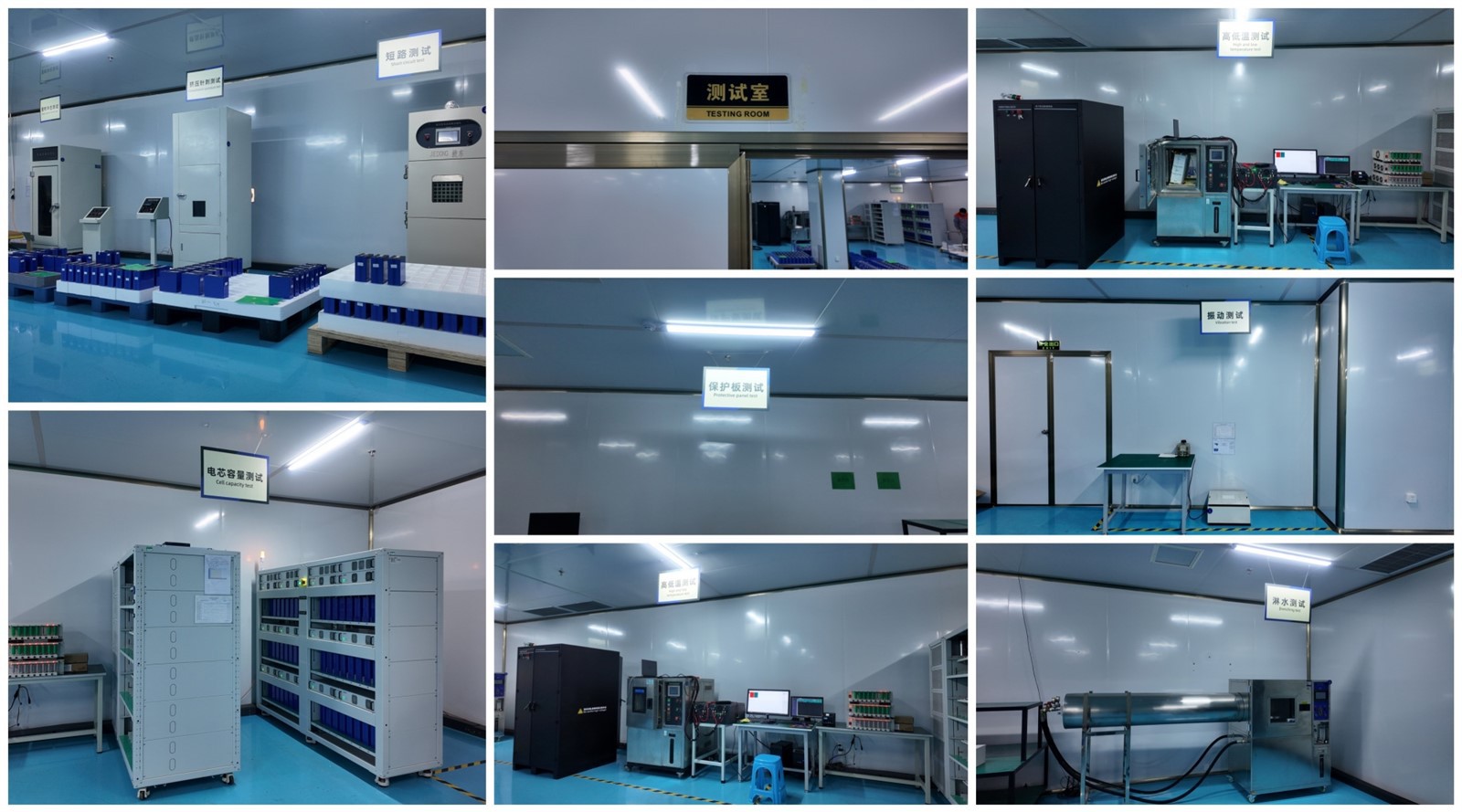
Electrical Performance Screening:
Automated test benches log open-circuit voltage (OCV), internal resistance (AC impedance at 1kHz), high-rate discharge capacity, and high-voltage breakdown resistance. Batch sample lots undergo destructive capacity verification at 10-hour (C10) and 20-hour (C20) discharge rates per IEC 60896-21/22 standards.
Customization / OEM & ODM
Tailoring battery systems to specific spatial, electrical, and regulatory requirements:
Terminal & Cable Configuration:
Custom copper terminal inserts, threaded studs, flexible copper busbars, and Anderson or DIN plug harnesses.
Casing & Enclosure Design:
Flame-retardant material grades (UL94-V0), custom silkscreen branding, specialized terminal cover shrouds, and customized rack dimensions.
Electrical Parameter Matching:
Cell voltage pairing and internal resistance matching within +/-1mOhm tolerances for high-voltage serial strings, minimizing cell imbalance and extending string life.
Documentation & Certification Support:
Provision of specific Material Safety Data Sheets (MSDS), UN3548/UN2800 non-hazardous transport certifications, and factory acceptance test (FAT) reports per order.
Factory Testing Room
FAQ
We're well-known as one of the leading lead-acid battery manufacturers and suppliers in China, featured by quality products and good price. Please rest assured to buy customized lead-acid battery made in China here from our factory.
OPzV Battery