

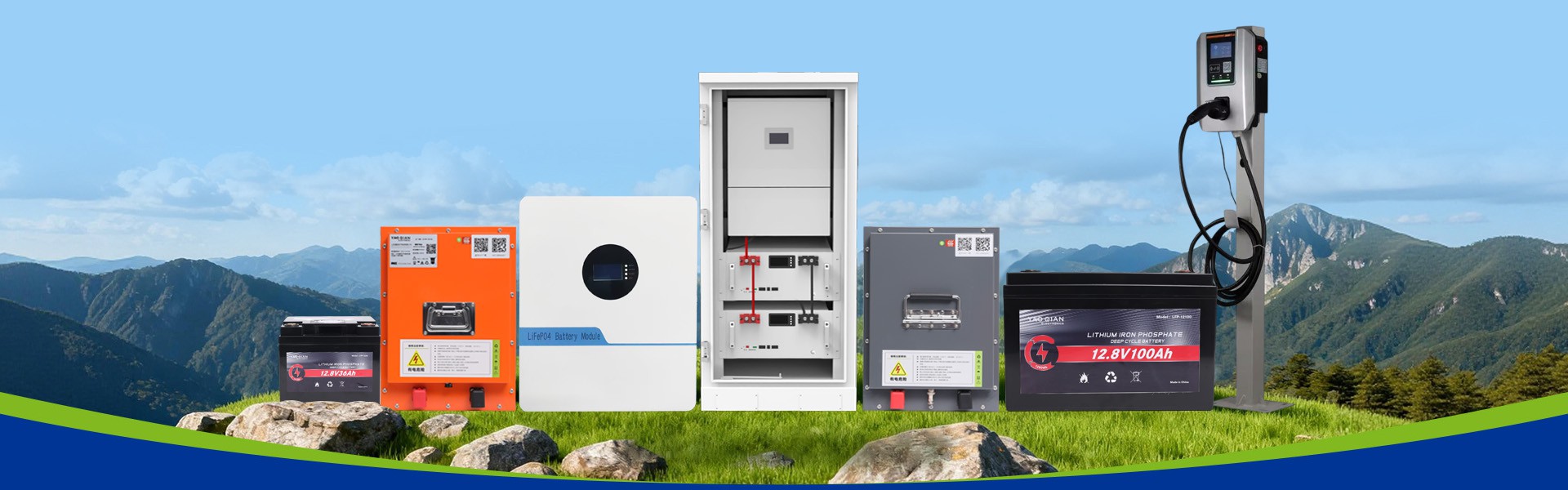
An energy storage system is a device or system that stores energy and releases it when needed. Its functions are mainly reflected in the following aspects:
1. Energy Balancing: Renewable energy sources such as solar and wind power are intermittent. Therefore, excess energy needs to be stored during peak periods and released when needed, thus achieving energy balance and stable supply.
2. Peak Shaving and Load Leveling: The power system can quickly release energy when needed to meet peak demand on the power grid, while storing energy during off-peak periods to avoid energy waste.
3. Voltage Stabilization: When the grid voltage is too high, the energy storage system can release electrical energy to stabilize the grid voltage, thereby protecting power equipment and user equipment.
4. Emergency Backup: In emergency situations such as natural disasters, energy storage systems can provide backup power to ensure continuous power supply to the grid, thus guaranteeing the normal operation of production and daily life.
