

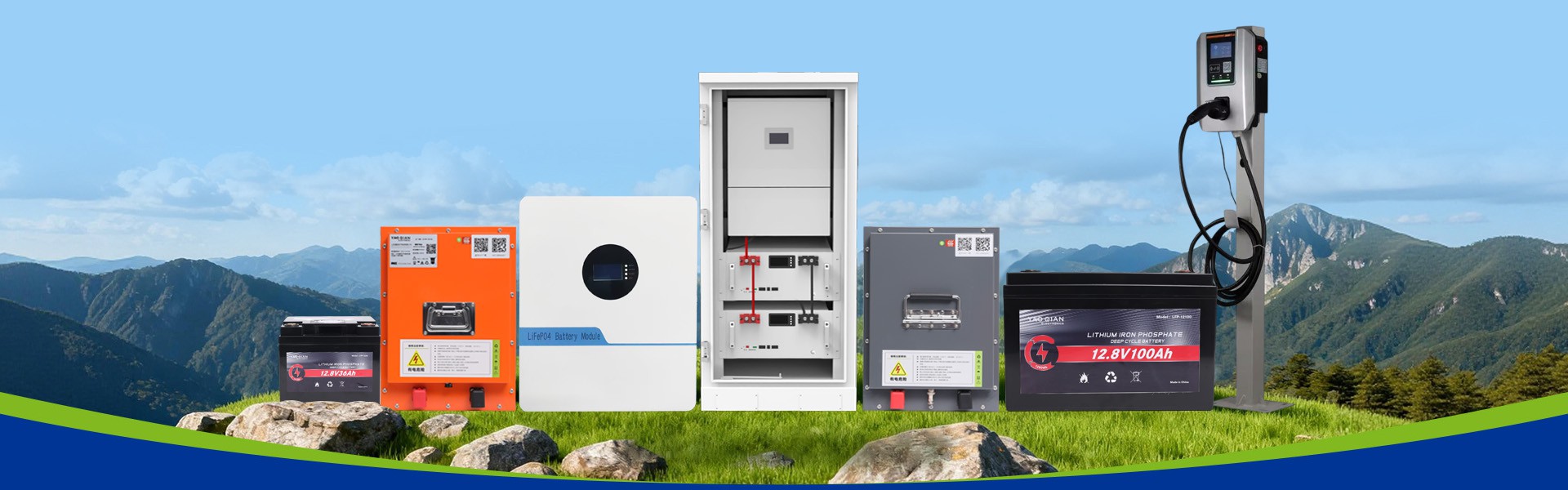
Basic Characteristics Comparison
Lead-acid batteries are like endurance athletes, affordable but heavy (three times heavier than lithium batteries of the same capacity), with a charge-discharge cycle of approximately 500 times. Lithium iron phosphate batteries, on the other hand, are more versatile, with high energy density (40% smaller in volume) and a cycle life of over 2000 times, but the initial investment cost is higher.
Safety Performance Analysis
Lithium iron phosphate batteries have superior thermal stability:
- Excellent high-temperature resistance, remaining stable even at 200℃
- The electrolyte is non-flammable, and does not ignite in puncture tests
- Built-in BMS system monitors voltage balance in real time
- Lead-acid batteries require attention to hydrogen gas emissions; installation in a well-ventilated area is recommended.
Recommended Applications
For short trips, lead-acid batteries are a cost-effective option; for long-term travel, lithium iron phosphate batteries are recommended due to their lightweight characteristics, which can save fuel consumption (approximately 0.5L/100km for every 100kg reduction in weight). For high-altitude areas, lithium batteries are preferred, as their capacity retention rate in low-temperature environments is more than 20% higher than that of lead-acid batteries.