

In today's dynamic energy landscape, containerized energy storage systems (CESS) have emerged as a pivotal solution for various applications, from grid support to renewable energy integration. As a leading supplier of Containerized Energy Storage System, we understand the critical role that cost plays in your decision-making process. In this blog, we will delve into the factors that influence the cost of a CESS and provide you with a comprehensive overview to help you make an informed investment.
Understanding the Basics of Containerized Energy Storage Systems
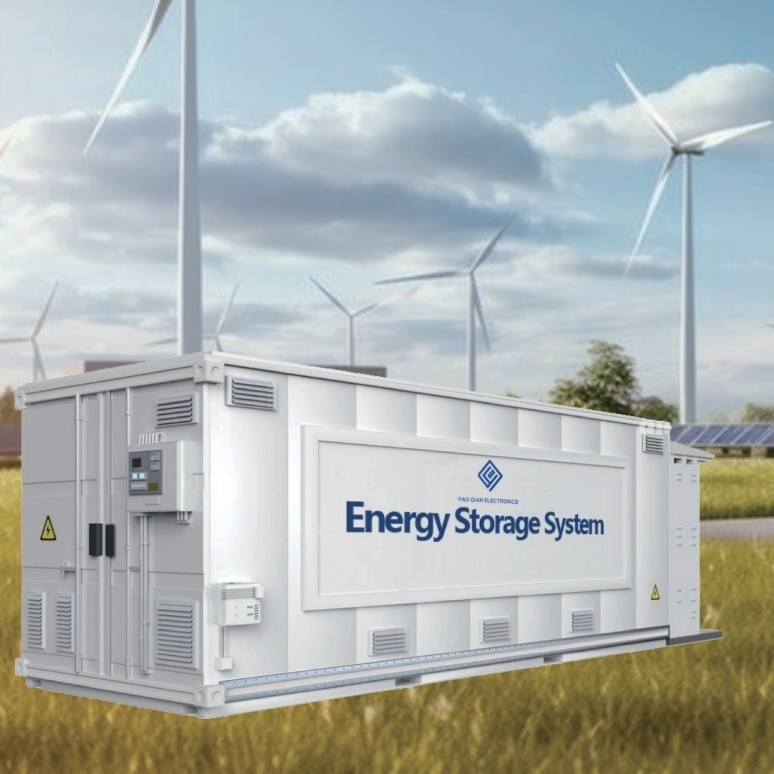
A containerized energy storage system is a pre - engineered, modular solution that combines batteries, power conversion systems, thermal management, and control systems within a standard shipping container. This design offers several advantages, including easy installation, scalability, and mobility. The flexible nature of CESS makes them suitable for a wide range of applications, such as peak shaving, load shifting, and backup power for commercial and industrial facilities.
Factors Affecting the Cost of a Containerized Energy Storage System
1. Battery Technology
The battery is the heart of any energy storage system, and its technology significantly impacts the overall cost. Lithium - ion batteries are currently the most popular choice for CESS due to their high energy density, long cycle life, and relatively low self - discharge rate. However, different chemistries of lithium - ion batteries, such as lithium iron phosphate (LiFePO4) and lithium nickel manganese cobalt oxide (NMC), have different price points. LiFePO4 batteries are generally more expensive upfront but offer better safety and longer cycle lives, which can reduce the long - term cost of ownership.
2. Energy Capacity
The energy capacity of a CESS, measured in kilowatt - hours (kWh), is a direct determinant of its cost. Higher - capacity systems require more batteries and larger supporting components, driving up the price. When selecting an energy capacity, it's essential to accurately assess your energy storage needs based on your application, such as the amount of power to be stored during off - peak hours for peak shaving or the duration of backup power required.
3. Power Rating
The power rating, measured in kilowatts (kW), indicates how quickly the CESS can charge and discharge energy. A higher power rating requires a more powerful power conversion system (PCS), which adds to the cost. Applications that demand rapid charging and discharging, such as frequency regulation in the grid, will need a CESS with a higher power rating.
4. Thermal Management
Proper thermal management is crucial for maintaining the performance and lifespan of the batteries. There are two main types of thermal management systems: air - cooled and liquid - cooled. Liquid - cooled systems, like our Liquid - Cooled All - in - One ESS Cabinet, are more effective at heat dissipation but are generally more expensive than air - cooled systems. The choice between the two depends on the specific requirements of your application, such as the ambient temperature and the duty cycle of the CESS.
5. Control and Monitoring Systems
Advanced control and monitoring systems are essential for the safe and efficient operation of a CESS. These systems allow for real - time monitoring of battery performance, state of charge, and other critical parameters. More sophisticated control systems with remote monitoring capabilities and advanced analytics can increase the cost of the system but provide greater insight and control over your energy storage investment.
6. Installation and Logistics
The cost of installing a CESS includes site preparation, electrical connections, and transportation. The complexity of the installation site, such as terrain, accessibility, and local regulations, can significantly affect the overall cost. Additionally, shipping the containerized system from the manufacturing facility to the installation site adds to the logistics cost.
Cost Breakdown of a Typical Containerized Energy Storage System
To give you a better understanding of the cost components, let's break down the approximate costs of a typical CESS:
- Batteries: Batteries typically account for 40 - 60% of the total cost of a CESS. As the battery technology evolves and economies of scale improve, the cost of batteries has been gradually decreasing over the past few years.
- Power Conversion System (PCS): The PCS, which converts DC power from the batteries to AC power for use in the grid or at a facility, usually makes up 20 - 30% of the total cost.
- Thermal Management: Thermal management systems can account for 10 - 20% of the total cost, depending on whether air - cooled or liquid - cooled technology is used.
- Control and Monitoring: Control and monitoring systems typically represent 5 - 10% of the total cost.
- Installation and Logistics: Installation and logistics costs can vary widely but generally range from 10 - 20% of the total project cost.
Cost Comparison with Other Energy Storage Solutions
Compared to other types of energy storage solutions, such as Integrated Battery Energy Storage System, Outdoor Energy Storage Cabinet, and Outdoor Cabinet - Mounted Energy Storage System, containerized energy storage systems offer a balance between cost, scalability, and flexibility. While the upfront cost may be higher than some smaller - scale energy storage options, the long - term benefits, such as easy deployment and the ability to scale up the system, often justify the investment.
Achieving Cost - Effectiveness in Containerized Energy Storage Systems
To achieve cost - effectiveness when investing in a CESS, consider the following strategies:
- Accurate Load Forecasting: By accurately forecasting your energy storage needs, you can avoid over - sizing or under - sizing the system, which can lead to unnecessary costs or sub - optimal performance.
- Long - Term Battery Warranty: Look for systems with long - term battery warranties. A reliable warranty can provide peace of mind and reduce the risk of unexpected costs associated with battery replacement.
- Energy Management Software: Utilize energy management software to optimize the operation of your CESS. This can help you maximize the value of your energy storage investment by reducing energy costs and improving grid integration.
Contact Us for a Tailored Quote
As a trusted supplier of containerized energy storage systems, we are committed to providing you with the best - in - class solutions at competitive prices. Our experienced team can help you navigate the complexities of energy storage costs and design a system that meets your specific requirements. Whether you are looking for a small - scale backup power solution or a large - scale grid - connected system, we have the expertise and technology to deliver.
If you are interested in learning more about the cost of our containerized energy storage systems or would like to request a tailored quote, please reach out to us. Our representatives are ready to engage in a detailed discussion about your energy storage needs and guide you through the procurement process.

References
- "Energy Storage Handbook", edited by the Department of Energy, United States
- "Advanced Battery Technologies for Energy Storage Systems", International Journal of Energy Research
- "Cost - Benefit Analysis of Containerized Energy Storage Systems", Journal of Energy and Power Management