

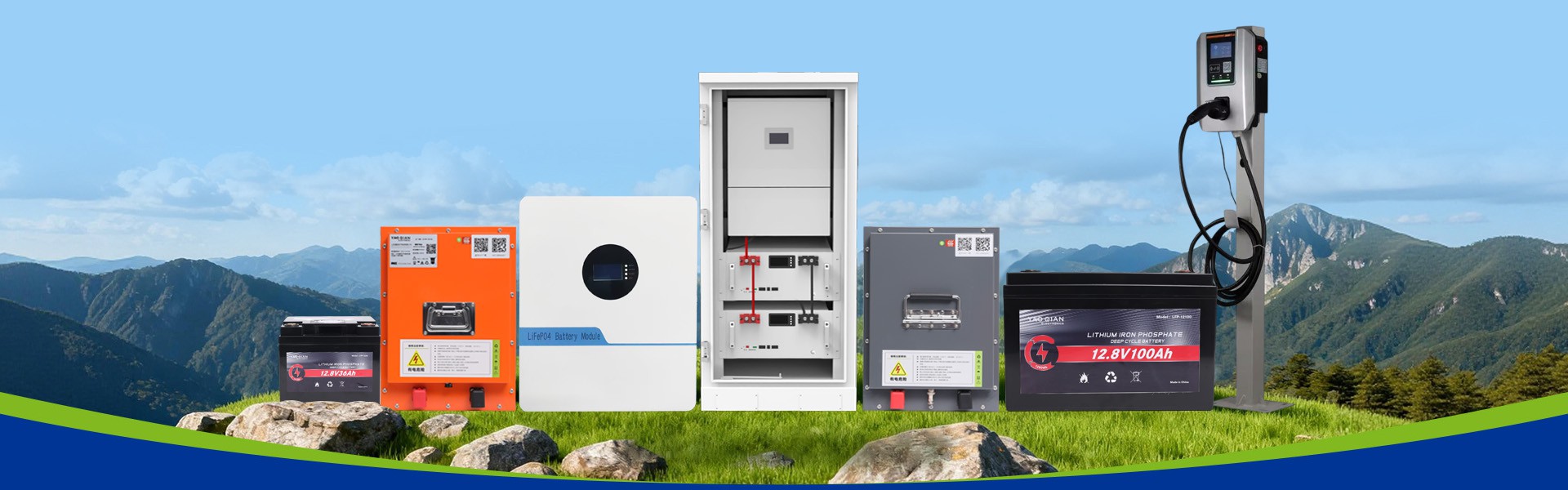
Positive Electrode: The Source of Energy
The positive electrode of a power lithium-ion battery is like an "energy reservoir," typically composed of lithium metal oxides (such as lithium iron phosphate or ternary materials). During charging, lithium ions depart from here, and during discharging, they return to their original position. The choice of positive electrode material directly affects the battery's capacity and stability, just as different fuel tank materials determine a car's driving range.
Negative Electrode: The Electron Hub
The graphite negative electrode is the "temporary residence" for lithium ions, with its surface covered in honeycomb-like micropores. When the battery is operating, lithium ions shuttle between the positive and negative electrodes, while electrons form an electric current through the external circuit. The stronger the lithium storage capacity of the negative electrode, the longer the battery's cycle life, much like a larger highway service area allows for smoother traffic flow.
Separator: The Safety Gatekeeper
The separator, only 20 micrometers thick, acts as the "intelligent security gate" inside the battery. Its microporous structure only allows lithium ions to pass through, preventing direct contact and short circuits between the positive and negative electrodes. High-end separators can also automatically close their micropores at high temperatures, like an automatic fire curtain that lowers during a fire, providing double protection for battery safety.