

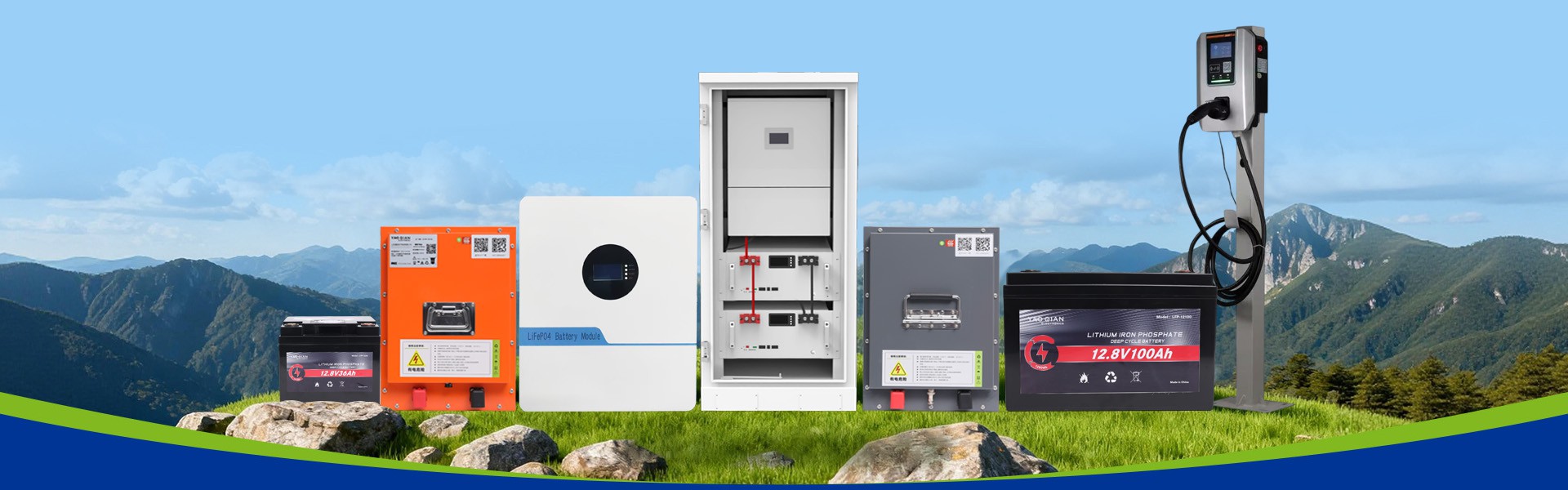
Lead-acid batteries remain a common choice.
Lead-acid batteries certainly have a place in the RV market, especially due to their lower price and mature technology. They come in two types: standard lead-acid and AGM (Absorbent Glass Mat), the latter being more vibration-resistant and suitable for the bumpy conditions of RV travel. However, lead-acid batteries are heavy, have a shorter lifespan (approximately 3-5 years), and deep discharge significantly shortens their lifespan.
The rise of lithium batteries
In recent years, lithium batteries have gradually become the new favorite for RV batteries. They are lightweight, have a long lifespan (up to 10 years), support deep discharge (over 80%), and charge quickly. Although the initial cost is higher, they offer better value in the long run. Lithium batteries are especially suitable for frequent travelers or RV users with high power demands.
How to choose the right battery
Consider the following factors when choosing an RV battery:
- Budget: Lead-acid batteries are cheaper initially, but lithium batteries are more cost-effective in the long run.
- Usage frequency: Choose lead-acid for occasional travel, and lithium batteries for frequent use.
- Power demand: For many high-power appliances, lithium batteries are recommended.
- Maintenance willingness: Lead-acid batteries require regular maintenance, while lithium batteries are virtually maintenance-free.
- Space and weight: Lithium batteries are lighter and more compact, suitable for RVs with limited space.